
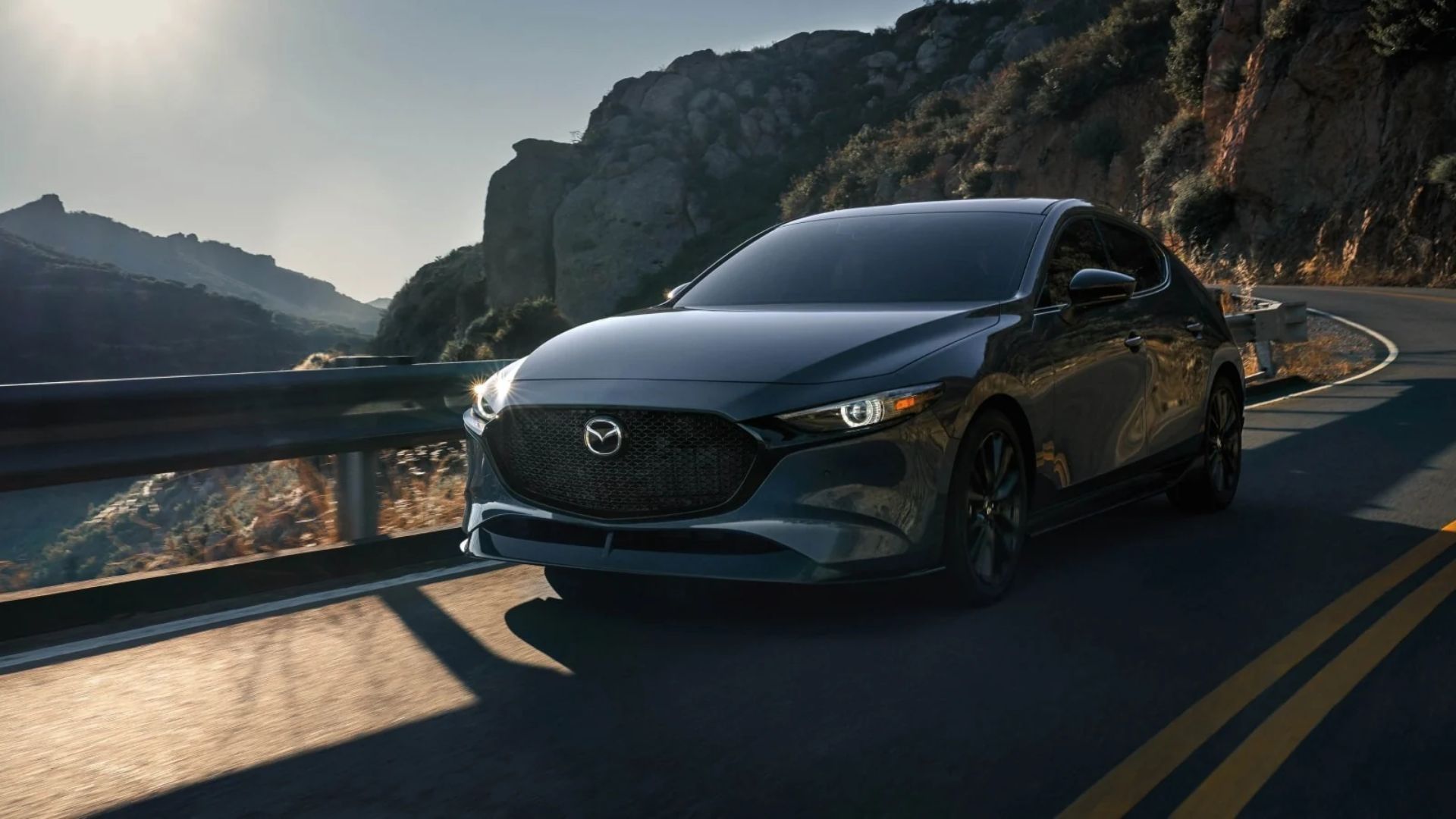
When traffic ahead slows suddenly on Route 1, Mazda Smart Brake Support, Mazda’s collision-warning and automatic emergency braking system, can warn you and apply the brakes if it detects an impending collision. For drivers around Danvers, that means assistance when the gap ahead closes unexpectedly. At North Shore Mazda, part of our parent dealer group, Shaker Auto Group, we help shoppers understand what this Mazda technology can do, which vehicles offer it, and where the driver remains in charge.
Key Takeaways
- With Smart Brake Support, equipped Mazda vehicles can warn of a potential collision and apply braking.
- Forward braking support comes standard across the current Mazda lineup, while additional functions vary.
- Operating speeds depend on the model, detected object, and specific Smart Brake Support function.
- Weather, blocked sensors, and traffic conditions can affect detection.
- Adaptive cruise control manages following distance, while Smart Brake Support responds to collision risk.
How Braking Support Responds to Slowing Traffic
When Smart Brake Support detects a potential collision with a vehicle ahead, it can provide a visual warning and warning sound, then apply braking as the risk increases. Sensors and cameras assess the situation ahead rather than simply reacting whenever another vehicle’s brake lights illuminate. The goal is to help avoid a collision or reduce its severity.
Picture the driving situation, not a guaranteed outcome: traffic is moving, the vehicle ahead slows sharply, and the distance between you shrinks. In an equipped CX-50, Smart Brake Support can alert you and intervene under its operating conditions. You should brake as soon as traffic requires it, without waiting for an alert or automatic braking.
For families discussing braking assistance for younger drivers, that distinction matters. Smart Brake Support adds assistance, but the driver still needs to watch traffic, maintain following distance, and operate the brakes. It is not a reason to follow more closely on a trip from Peabody into Danvers.
Which Mazda Models Offer Forward Braking Support?
Across the current Mazda lineup, forward automatic emergency braking is standard, but additional Smart Brake Support functions depend on the vehicle and trim. For shoppers comparing a Mazda3 with a CX-30, that means both offer forward braking support, while their complete equipment deserves a closer look.
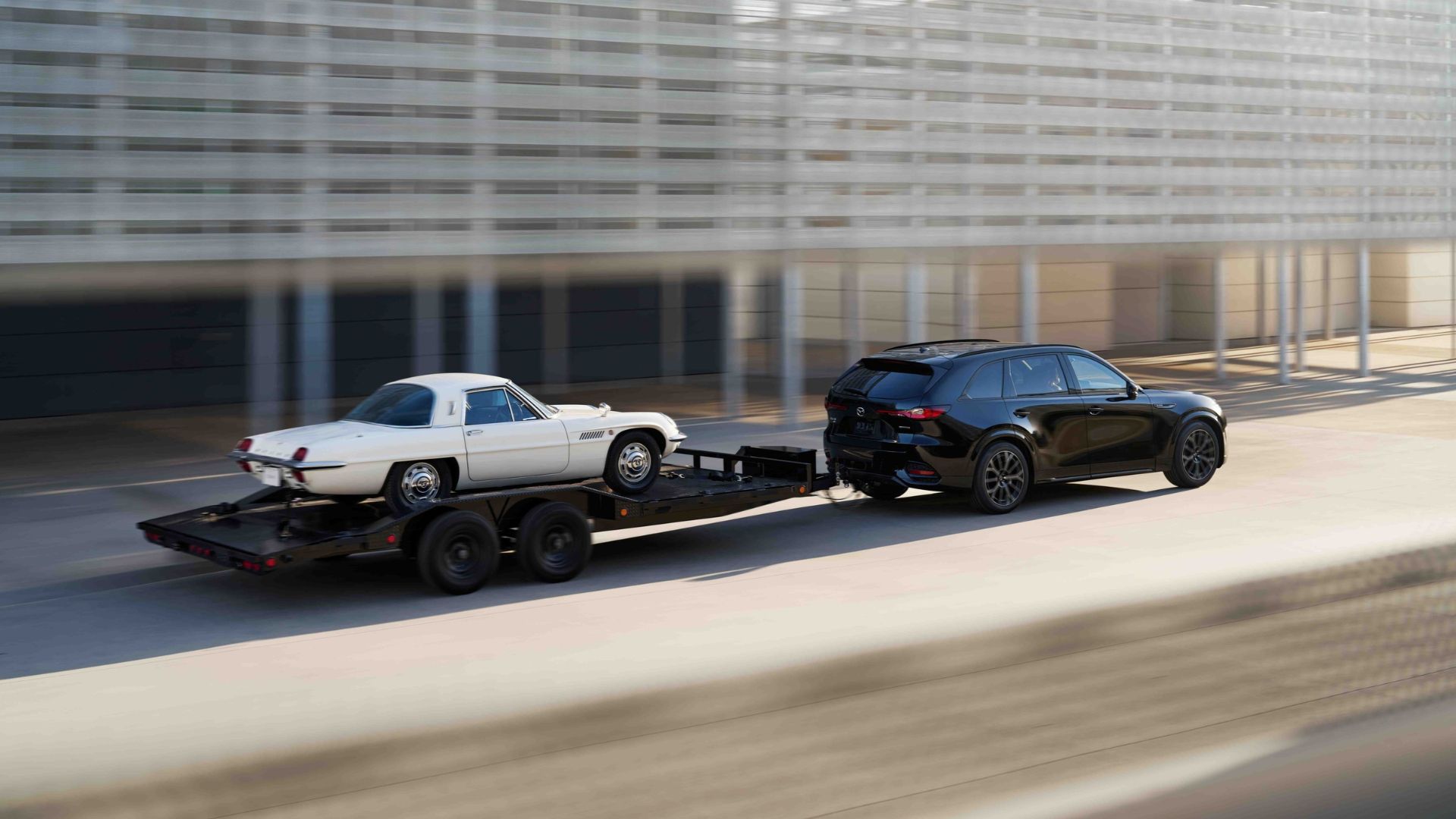
The CX-50 also includes standard Smart Brake Support with pedestrian detection. Additional functions, including assistance for certain crossing or turning situations, are offered on select configurations. Those functions address different situations from following a slowing vehicle on Route 1.
On the CX-90, standard Smart Brake Support is supplemented by additional functions on higher trims. For example, the 3.3 Turbo Premium Plus adds Smart Brake Support Rear and Smart Brake Support Front Crossing, which provide braking assistance for certain detected hazards behind the vehicle or crossing ahead. Forward coverage and those additional functions should not be treated as interchangeable.
While browsing our current selection in Danvers, compare Mazda models and trims so we can help you identify which Smart Brake Support functions come on the vehicle you’re considering.
At What Speeds Can the System Operate?
The operating range depends on what Smart Brake Support is detecting, so there is no single speed range that describes every function across every Mazda. Forward vehicle detection, pedestrian detection, and reverse braking assistance have separate operating conditions.
For a specific example, the CX-70 Plug-in Hybrid owner’s manual describes forward detection of vehicles ahead at approximately 3 mph or faster. For pedestrians and bicycles, it specifies approximately 6.3 to 49 mph. These are operating conditions, not a promise that the vehicle will stop before contact at those speeds.
If you commute around Danvers, we can walk through the applicable owner’s manual with you so the speed information matches the model and function you are asking about.
Conditions That Can Limit Detection and Braking
Poor visibility, obstructed sensors, and the position of another vehicle can limit how Smart Brake Support responds. Heavy rain, fog, snow, and a dirty or fogged windshield can interfere with the camera’s view. A dirty radar-sensing area can also affect detection.
The way traffic develops matters, too. Mazda identifies possible partial contact with a target vehicle as a condition in which forward detection may not operate normally. Certain deliberate driver inputs, including accelerator and steering operation, can also affect intervention. A vehicle entering your path therefore should not be treated as something Smart Brake Support will necessarily handle.
Whether you drive a CX-30 toward Beverly or a CX-70 through Danvers, respond to slowing traffic yourself. If Smart Brake Support applies braking while you are pressing the pedal, the pedal may feel stiff or move rearward. Mazda instructs the driver to continue depressing the brake pedal.
How Adaptive Cruise Control Differs in Stop-and-Go Traffic
With Mazda Radar Cruise Control with Stop & Go, Mazda’s adaptive cruise control system, the vehicle can adjust speed to maintain a selected following distance and stop behind a detected vehicle under appropriate conditions. By contrast, Smart Brake Support responds when it determines there is a collision risk. One helps manage the following; the other provides collision-mitigation assistance.
In a CX-90, Mazda Radar Cruise Control with Stop & Go is standard equipment. After stopping behind traffic, resuming travel requires the appropriate driver input, such as pressing the accelerator or resume control. The driver must remain ready to brake, and Smart Brake Support does not become a substitute for supervising traffic simply because cruise control is active.
How Lane Assistance Fits Into the Picture
With the Lane-keep Assist System, Mazda’s steering-assistance system for certain unintended lane departures, equipped vehicles address a different task from forward braking support. Understanding how lane support complements other driver-assistance features helps separate steering assistance from collision-related braking. Neither function makes the vehicle self-driving.
It also helps to understand the difference between collision mitigation and occupant protection. Smart Brake Support is designed to help avoid a collision or lessen its severity through braking, while seat belts and airbags help protect occupants during a crash. The CX-90 combines standard Smart Brake Support with airbags and seat belt pretensioners, addressing those different roles.
Explore Available Mazda Vehicles in Danvers
Schedule a test drive at North Shore Mazda in Danvers, part of the Shaker Auto Group, to explore available Mazda vehicles. We can show you the controls and explain the equipment on models in our current selection while you get a feel for the vehicle on an ordinary drive.
*Penned by AI, polished by humans
