
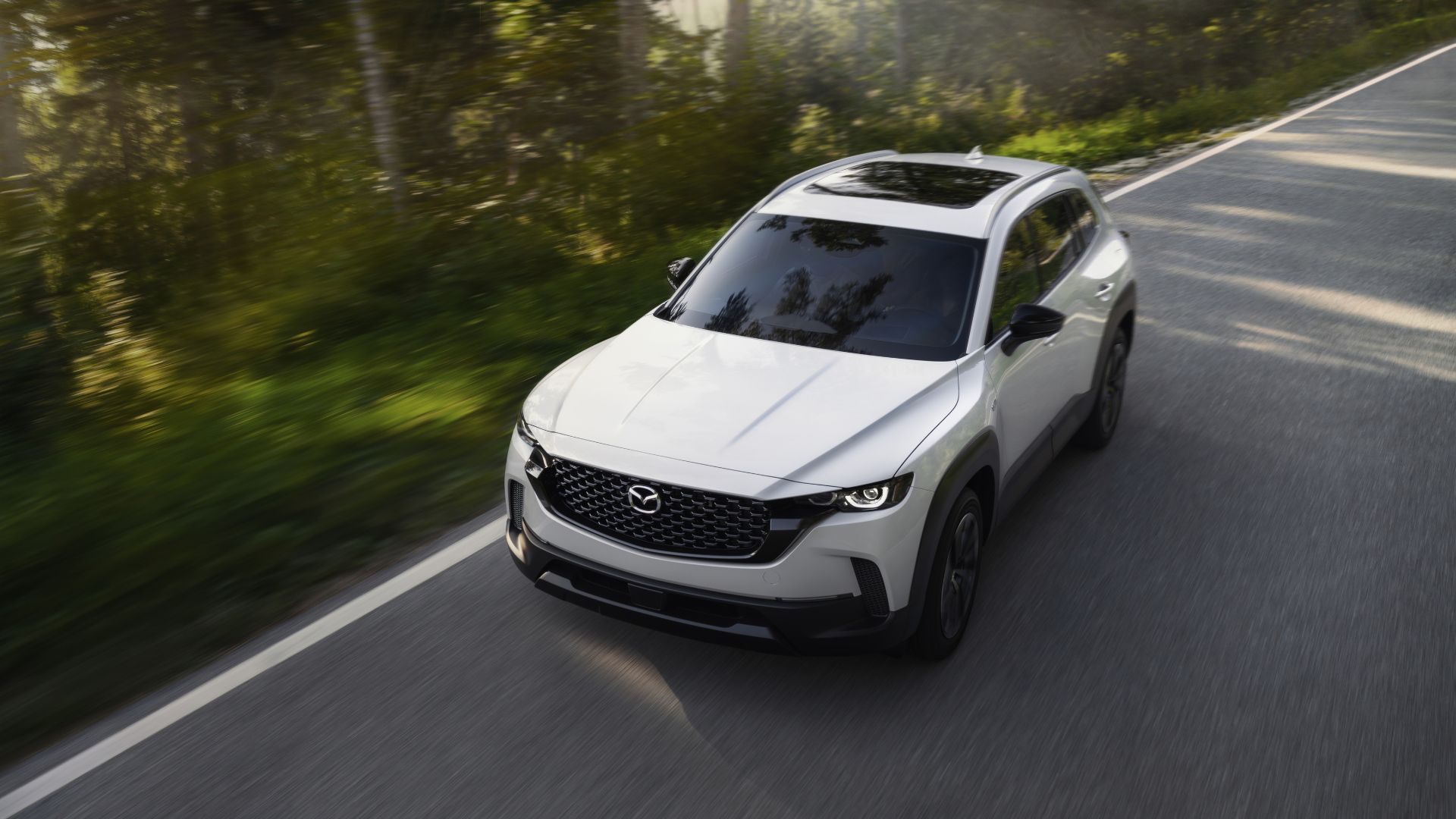
Daily travel on Route 1, I-95, and the roads connecting Danvers with Salem, Peabody, Beverly, Lynn, and greater Boston can bring a constantly changing mix of open highway, merging traffic, construction zones, and stop and go congestion. Mazda vehicles offer available driver assistance features designed to help make those long commutes feel less demanding while keeping drivers actively engaged behind the wheel. At North Shore Mazda, part of the Shaker Auto Group, we understand the demands of North Shore driving and can help you explore Mazda models equipped for your daily route.
Key Takeaways
-
Mazda adaptive cruise control can automatically adjust speed to help maintain a selected following distance from traffic ahead.
-
Mazda Radar Cruise Control with Stop & Go can assist with repeated accelerating, slowing, and stopping in qualifying traffic conditions.
-
The feature is designed to reduce some of the workload of highway commuting, not to replace an attentive driver.
-
Current Mazda options for North Shore commuters include models such as the Mazda3, CX-30, CX-50, CX-70, and CX-90, depending on model year, trim, and equipment.
-
A test drive is the best way to see how Mazda safety and driver assistance features fit your Route 1 or I-95 routine.
How does Mazda adaptive cruise control work in traffic?
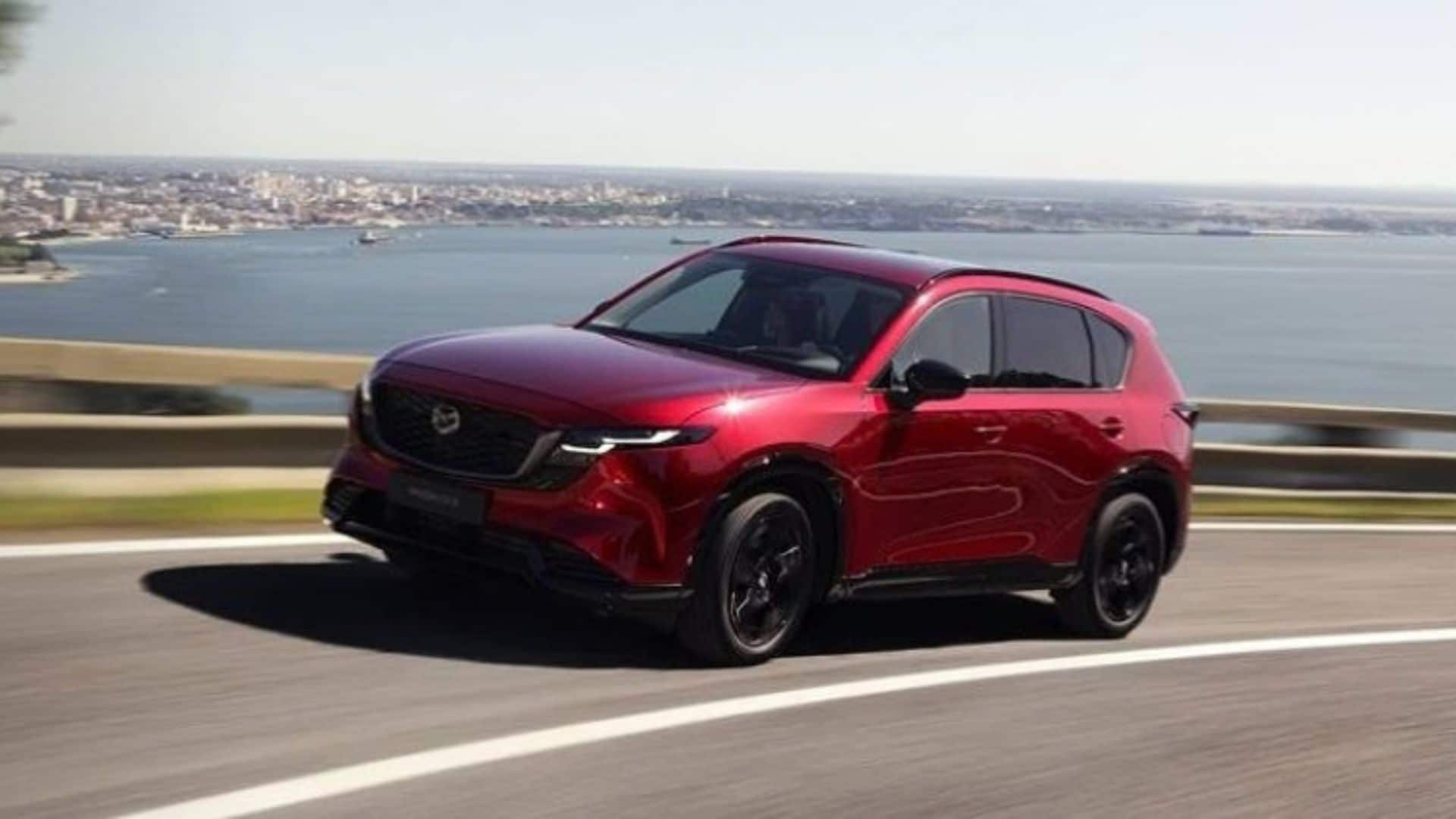
Mazda adaptive cruise control is generally referred to as Mazda Radar Cruise Control with Stop & Go, or MRCC with Stop & Go. It is part of the broader i-Activsense suite of Mazda safety and driver assistance technologies on many Mazda vehicles.
Rather than simply holding one speed like conventional cruise control, the system uses a forward-facing radar sensor to detect a vehicle traveling ahead. After the driver sets a desired cruising speed and following-distance setting, the system can adjust vehicle speed to help preserve that gap. If traffic slows, it can reduce speed. When traffic begins moving again, it can resume acceleration under the system’s operating conditions.
That makes a difference for drivers heading south from Danvers toward Boston, especially when I-95 transitions from free-flowing travel to heavy congestion. Instead of manually making every small speed adjustment in a traffic wave, Mazda Radar Cruise Control with Stop & Go can help manage those routine changes.
In stop-and-go traffic, certain Mazda systems can bring the vehicle to a complete stop behind traffic and assist when the flow resumes. Exact operation, speed range, restart behavior, and availability vary by model year, trim level, and conditions. Drivers should always review their owner’s manual and learn the feature during delivery or a dealership demonstration.
Can adaptive cruise control help with highway commuting?
Yes, adaptive cruise control can be particularly helpful for daily highway commuting because it supports more consistent speed and following-distance management. On Route 1 near Peabody or I-95 around the North Shore, traffic can change quickly due to merging vehicles, lane changes, weather, and peak-hour volume. Keeping a comfortable buffer takes continuous attention, and that is where the system can lend meaningful assistance.
For example, imagine you are commuting from Beverly toward an office near Boston. You set an appropriate speed when traffic is moving steadily. A slower vehicle merges in front of you, so Mazda adaptive cruise control can reduce speed to help maintain the following distance you selected. When the lane clears and conditions allow, the vehicle can work back toward the set speed.
The benefit is not that the Mazda drives itself. The benefit is that it can reduce some of the repetitive pedal work that often contributes to fatigue during a long commute. You still steer, monitor road conditions, watch surrounding vehicles, and remain prepared to brake or take control at any moment.
For drivers shopping for some of the best cars for commuting on the Boston North Shore, this technology can be a valuable convenience feature alongside a comfortable cabin, confident road manners, and the practical size that fits a daily routine.
What makes it useful on busy routes?
Busy commuter routes ask drivers to make hundreds of small decisions. You watch the vehicle ahead, judge gaps, anticipate sudden braking, monitor blind spots, and respond to drivers entering from ramps. Adaptive cruise control cannot eliminate those responsibilities, but it can help with one important task: maintaining speed and spacing relative to traffic ahead.
Mazda vehicles also pair this capability with a broader selection of available i-Activsense driver assistance features. Depending on the model and trim, shoppers may find technologies such as Blind Spot Monitoring, Lane Departure Warning, Lane-keep Assist, Smart Brake Support, and available Cruising & Traffic Support. These features address different parts of the driving experience, so it is important not to confuse one system’s role with another.
For instance, Mazda Radar Cruise Control focuses on speed and following distance. It does not make a vehicle autonomous, guarantee a safe path, or remove the need to watch for a vehicle cutting into your lane. It also may not respond the same way in every situation, including sharp curves, severe weather, blocked sensors, motorcycles, stopped vehicles, or rapidly changing traffic patterns.
We recommend comparing the systems in person. If you are browsing Mazda vehicles for sale in Danvers, a visit to North Shore Mazda can help you compare the available driver assistance features in a Mazda3 Sedan, Mazda3 Hatchback, CX-30, CX-50, CX-70, or CX-90 based on your real commuting needs.
Which Mazda models may offer it?
Mazda Radar Cruise Control with Stop & Go is available on a range of current Mazda cars and SUVs, although feature availability can depend on the specific model, trim, package, and model year. That is why checking the equipment list for the exact vehicle is essential.
Commuters who prefer a compact, engaging car may consider the Mazda3 Sedan or Mazda3 Hatchback. Both can suit drivers who regularly travel between Danvers, Salem, and Boston and want a vehicle that is easy to park while remaining comfortable on the highway.
The Mazda CX-30 is a strong choice for drivers who want a compact SUV format, available all-wheel drive capability, and commuter-friendly proportions. For added room and versatility, the Mazda CX-50 offers a practical crossover design that can work well for a weekday I-95 commute and a weekend trip beyond the North Shore.
Drivers who need more passenger space or flexible cargo capacity may want to explore the Mazda CX-70, CX-70 PHEV, CX-90, or CX-90 PHEV. These larger SUVs may appeal to households balancing commuting, carpools, family travel, and active weekends. Availability of Mazda safety technologies varies, so our team can walk you through the features on vehicles currently in stock.
How do you use it safely?
The safest way to use adaptive cruise control is to treat it as a support system, not a substitute for driving. Keep your hands on the wheel, eyes on the road, and full attention on changing traffic. Select a following distance that fits traffic flow and road conditions, then be ready to intervene immediately.
Before using the system, make sure the sensor area is clear of dirt, ice, snow, or road debris. Massachusetts winters, heavy rain, fog, glare, and road spray can limit how well sensors detect vehicles. If the system gives a warning, displays a message, or behaves unexpectedly, take control and follow the vehicle manual’s guidance.
It is also wise to understand the difference between crash protection and crash-avoidance technology. For additional context when researching a vehicle, consider understanding how IIHS evaluates Mazda vehicles. IIHS examines both crashworthiness, meaning occupant protection in a crash, and crash avoidance and mitigation, which includes technologies intended to help prevent or lessen a collision. Mazda has earned multiple 2026 IIHS Top Safety Pick+ awards across models including the Mazda3, CX-30, CX-50, CX-70, and CX-90 lineup.
Find your commuter-ready Mazda
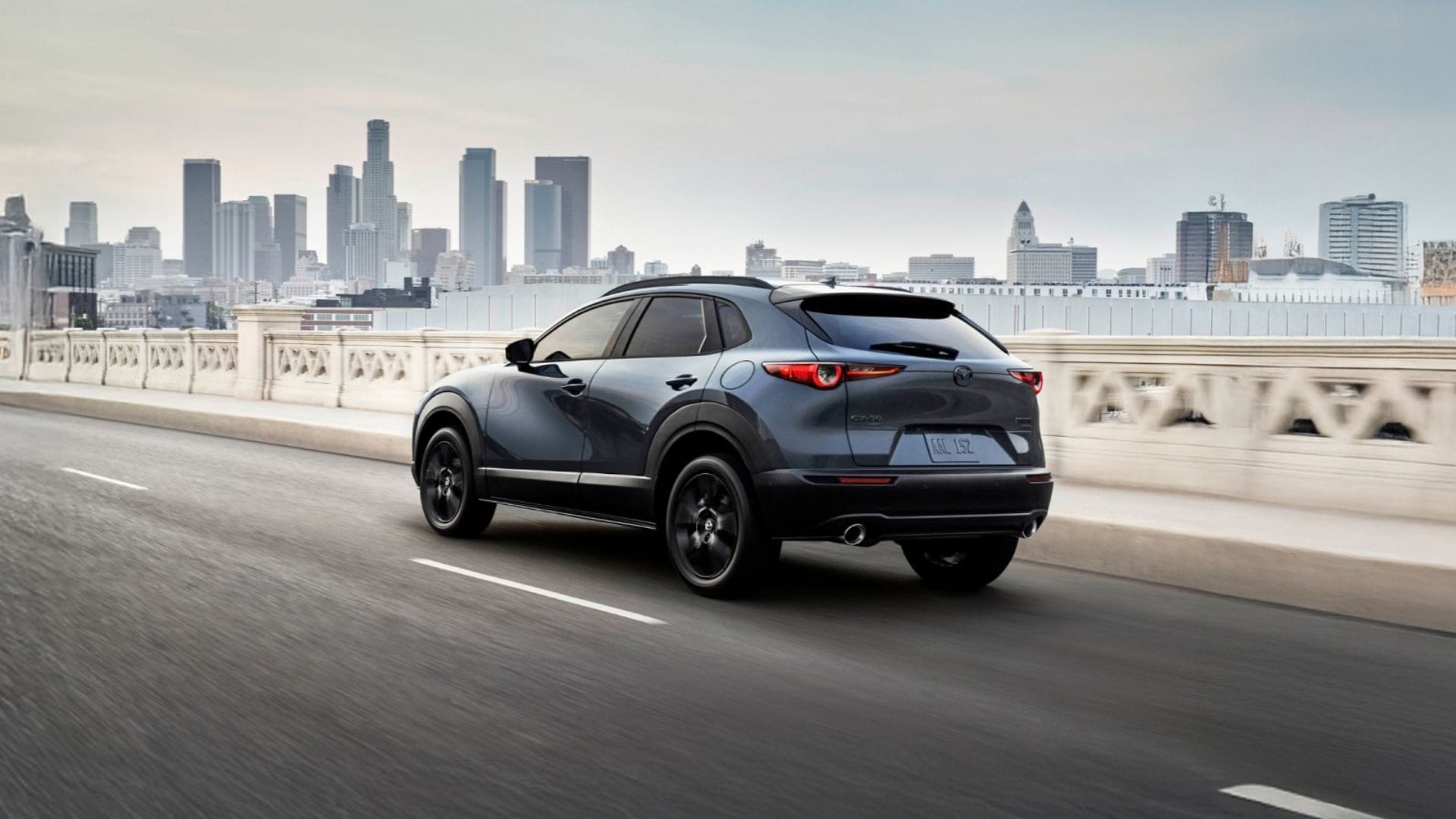
Whether your weekday route includes Route 1 through Peabody, I-95 toward Boston, or local travel around Salem, Beverly, and Lynn, Mazda adaptive cruise control can be a useful companion for the demands of modern commuting. North Shore Mazda, part of the Shaker Auto Group, invites you to browse our current selection of Mazda vehicles in Danvers and schedule a test drive to experience the available i-Activsense features for yourself.
*Penned by AI, polished by humans
