
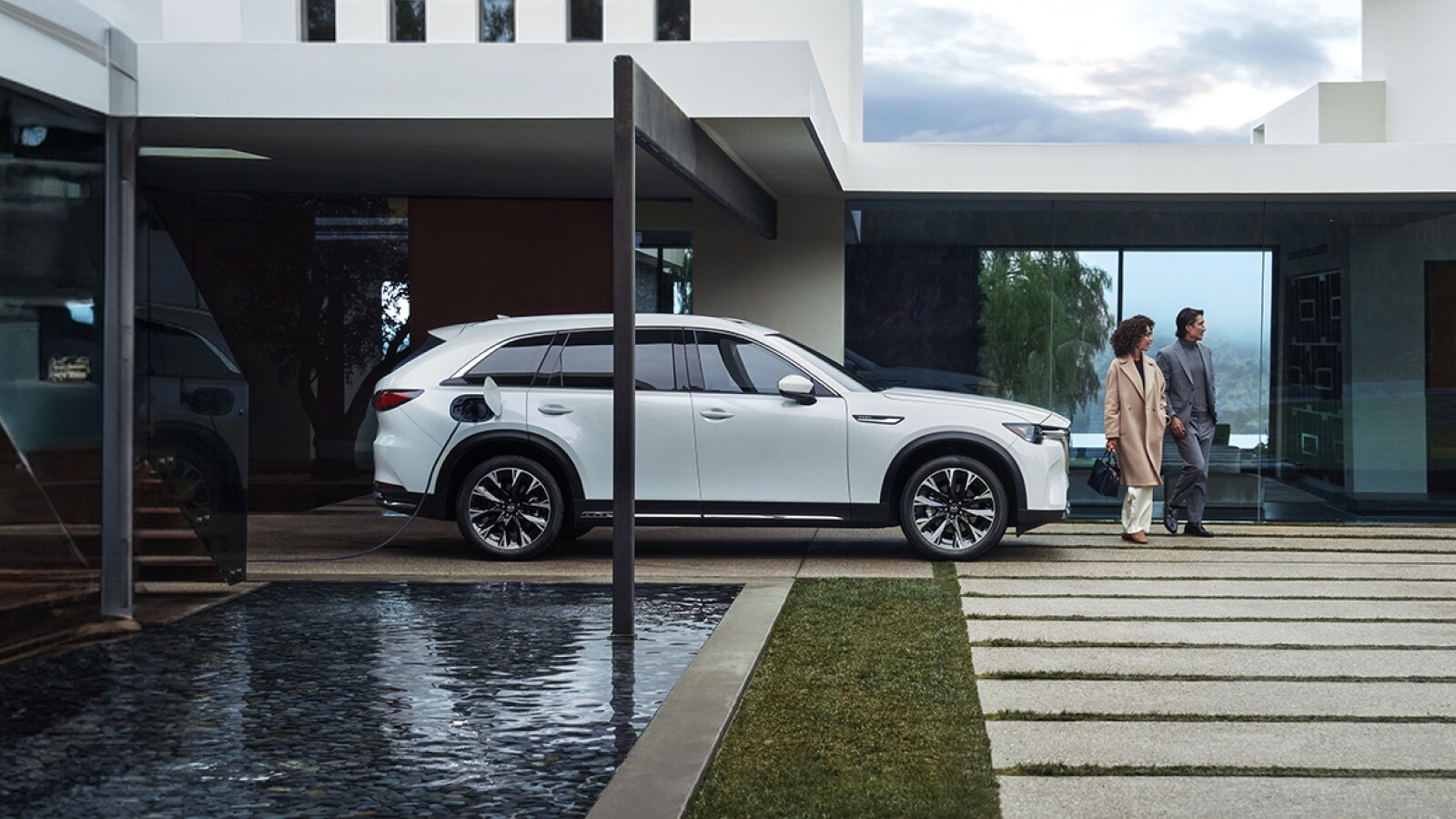
A drive around Danvers can mean slowing traffic, a highway merge, and a tight parking space before you reach your destination. At North Shore Mazda, part of our parent dealer group, Shaker Auto Group, we help shoppers connect the assistance available in Mazda vehicles with those everyday situations. Here’s how the systems work, which differences deserve attention, and where you still need to handle the driving.
Key Takeaways
- Mazda Radar Cruise Control with Stop & Go can help manage following distance and stops behind detected traffic.
- Blind Spot Monitoring provides warnings, while available Blind Spot Assist can also provide momentary steering assistance.
- Available camera views, parking sensors, and reverse braking functions serve different purposes.
- Equipment varies by model and trim, and weather or obscured sensors can limit assistance.
Assistance for Stop-and-Go Traffic Around Danvers
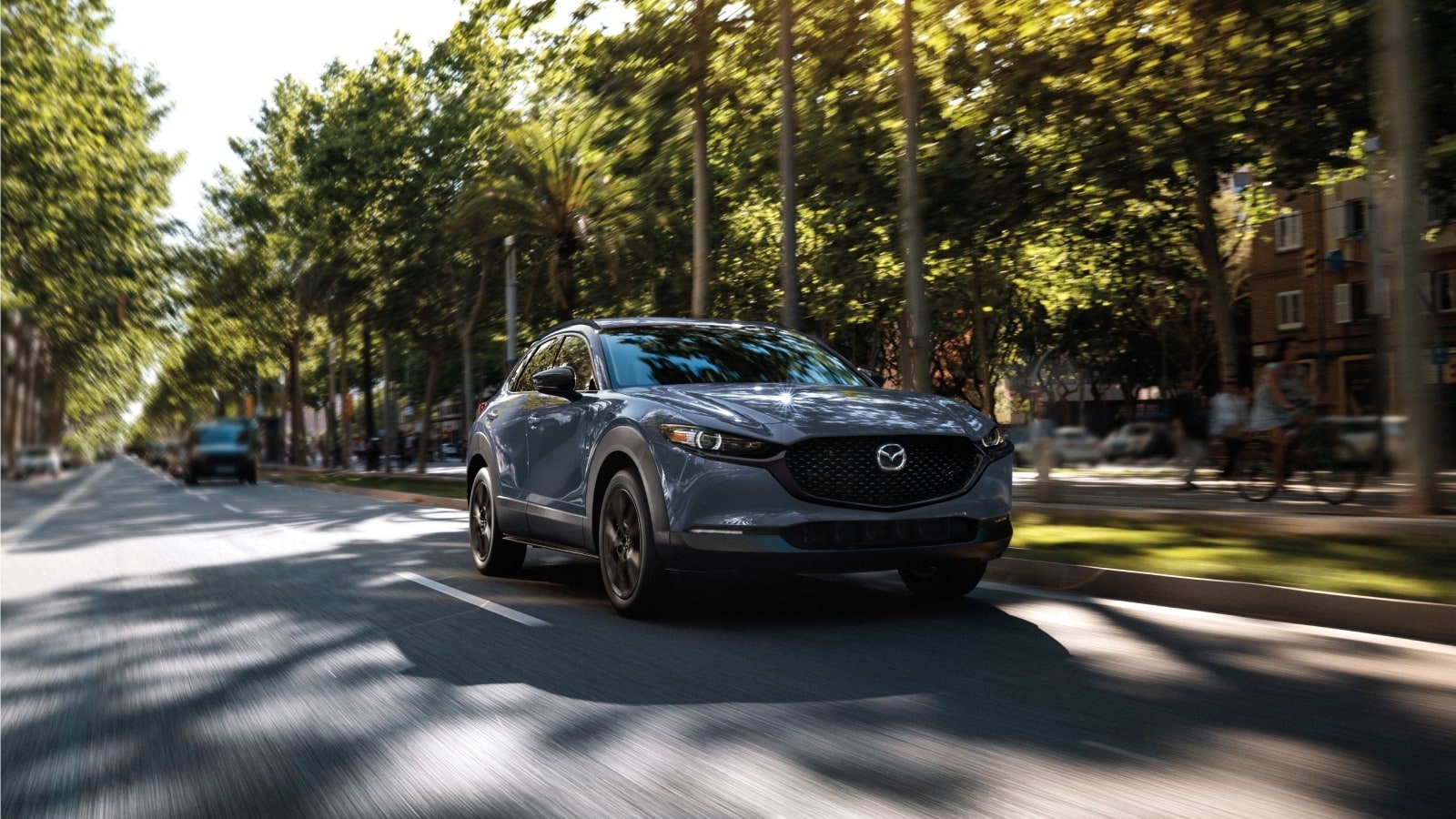
Mazda Radar Cruise Control with Stop & Go, a system that adjusts speed to help maintain a selected following distance, is worth comparing if traffic regularly slows your commute. Under appropriate conditions, Mazda Radar Cruise Control with Stop & Go can bring an equipped vehicle to a stop behind a detected vehicle ahead.
For shoppers researching adaptive cruise control in North Shore traffic, the important details include how the vehicle resumes after stopping and when the driver needs to intervene. On a CX-50, have us explain those controls before your drive rather than learning them in a queue approaching Peabody.
Cruising & Traffic Support, an available system that combines following-distance assistance with lane-centering assistance under certain conditions, adds another function to compare. The CX-30 2.5 Turbo Premium Plus includes Cruising & Traffic Support. You remain responsible for steering, braking, and monitoring traffic; Cruising & Traffic Support is not automated driving.
Smart Brake Support, Mazda’s collision-mitigation system that can warn and apply braking in supported situations, serves a different purpose. Smart Brake Support is not a substitute for braking when traffic stops, and Mazda Radar Cruise Control with Stop & Go may not respond adequately to a sudden cut-in.
Help With Highway Lane Changes and Merging
Blind Spot Monitoring, a system that warns about detected vehicles in adjacent blind-spot areas, can support your checks before a highway lane change. On the CX-30, Blind Spot Monitoring provides visual alerts and can add an audible warning when you signal toward a detected vehicle.
Blind Spot Assist, an available system that can provide warnings and momentary steering assistance when a potential collision with an adjacent vehicle is detected, goes beyond an alert. Available on equipped CX-90 models, Blind Spot Assist is a separate capability to ask about when comparing trims.
Neither Blind Spot Monitoring nor Blind Spot Assist chooses a safe merging gap for you. Check your mirrors, look around the vehicle, and control the maneuver yourself.
Lane Departure Warning System, which warns of a detected unintended lane departure, also differs from Lane-keep Assist, which can provide momentary corrective steering assistance. These systems help address unintentional drifting rather than perform a requested lane change.
When browsing our current selection at North Shore Mazda, compare CX-30 and CX-90 trims to see which of these functions each vehicle includes.
Parking and Reversing in Tight North Shore Spaces
The 360° View Monitor, a camera system that displays views around the vehicle, can make nearby surroundings easier to see while parking. It is available on the CX-30, including the 2.5 S Premium, and can help you judge your position beside parking lines or nearby vehicles.
On equipped CX-90 models, the 360° View Monitor with See-Through View adds camera imagery that makes portions of the vehicle appear transparent on the display. That gives you another perspective when maneuvering, but camera images still contain blind spots and do not replace looking around.
Front and rear parking sensors, which detect certain nearby obstacles and provide proximity warnings, add a different kind of assistance. The CX-30 2.5 S Preferred includes front and rear parking sensors, illustrating why two trims can offer different parking support even within one model.
Rear Cross Traffic Alert, a system that warns about detected vehicles approaching from either side while you reverse, is relevant when backing out between parked cars in Beverly. Rear Cross Traffic Alert provides a warning, not automatic braking by itself.
Smart Brake Support - Rear Crossing, available on equipped CX-30 models, can add automatic emergency braking when an imminent collision with detected crossing traffic is predicted. Smart Brake Support - Reverse, another available function, can warn and brake for detected objects or pedestrians in the reversing path under supported conditions.
Comparing Equipment Across Models and Trims
The exact trim determines which assistance functions you get, so compare equipped vehicles rather than assuming every Mazda offers the same capabilities. Mazda groups many driver-assistance technologies under i-Activsense, its collection of systems designed to support awareness and collision avoidance or mitigation.
For example, a CX-30 2.5 S Preferred includes parking sensors, while a CX-30 2.5 S Premium adds the 360° View Monitor. On the CX-90, the 3.3 Turbo Premium Plus offers the 360° View Monitor with See-Through View. Those are practical differences if parking visibility is high on your shopping list.
When discussing Mazda safety considerations for families, we can walk through where alerts appear, what their sounds mean, and which functions are included on an available vehicle. Seeing the controls from the driver’s seat helps connect an equipment description with everyday use.
Part of understanding Mazda safety evaluations is matching the published result to the model and model year being evaluated. Use those results alongside the vehicle’s equipment details rather than treating an award as a description of every assistance function.
Weather, Road Markings, and System Limitations
Snow or ice around sensors and poor visibility can reduce the assistance an equipped Mazda provides. Cameras and radar need usable information, and some functions may become unavailable when their detection areas are obstructed.
Faded, covered, or difficult-to-detect lane markings can affect Lane Departure Warning System and Lane-keep Assist. A parked vehicle or wall can also obstruct the detection area used by Rear Cross Traffic Alert while you reverse.
For a Danvers winter commute, keep camera and sensor areas clear as directed in the owner’s manual, watch for system messages, and adjust your driving to conditions. During a vehicle walkthrough, we can show you where those messages appear and explain the operating guidance for that model.
Test Drive a Mazda in Danvers
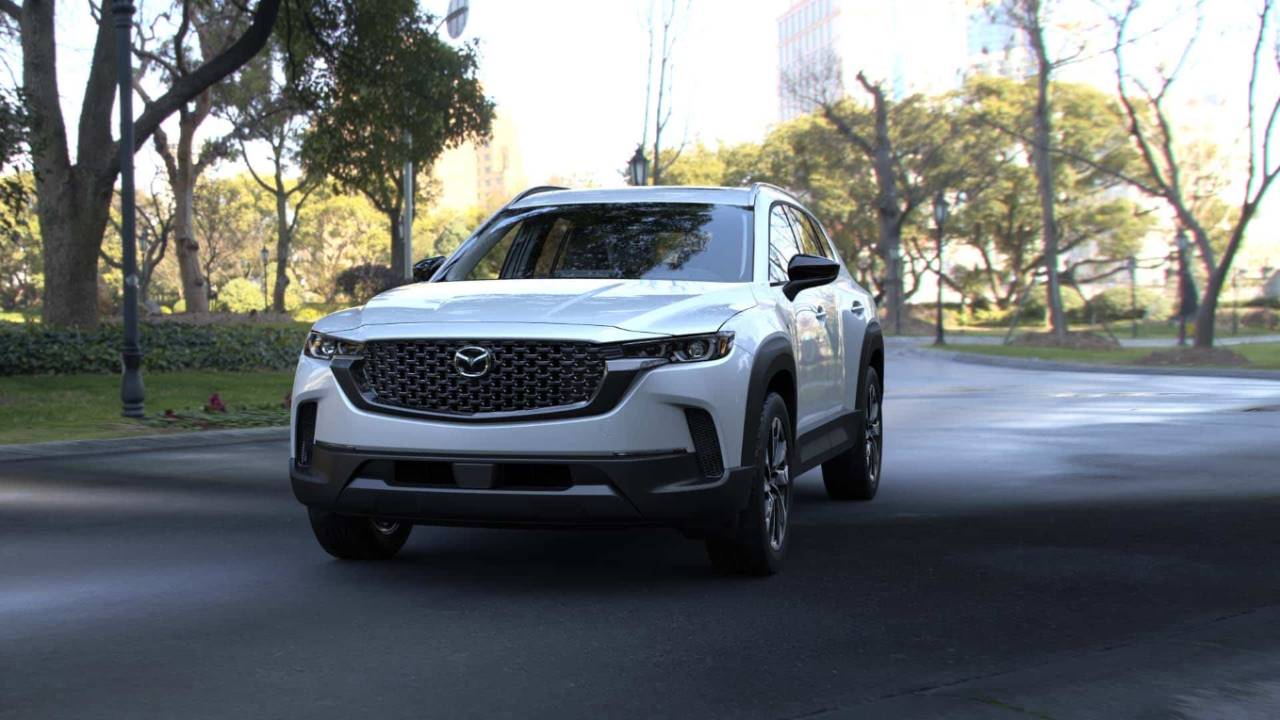
Schedule a test drive at North Shore Mazda in Danvers, part of the Shaker Auto Group, to explore available vehicles in our inventory. We’ll help you compare models and trims and get comfortable with the controls before you head out.
*Penned by AI, polished by humans
