
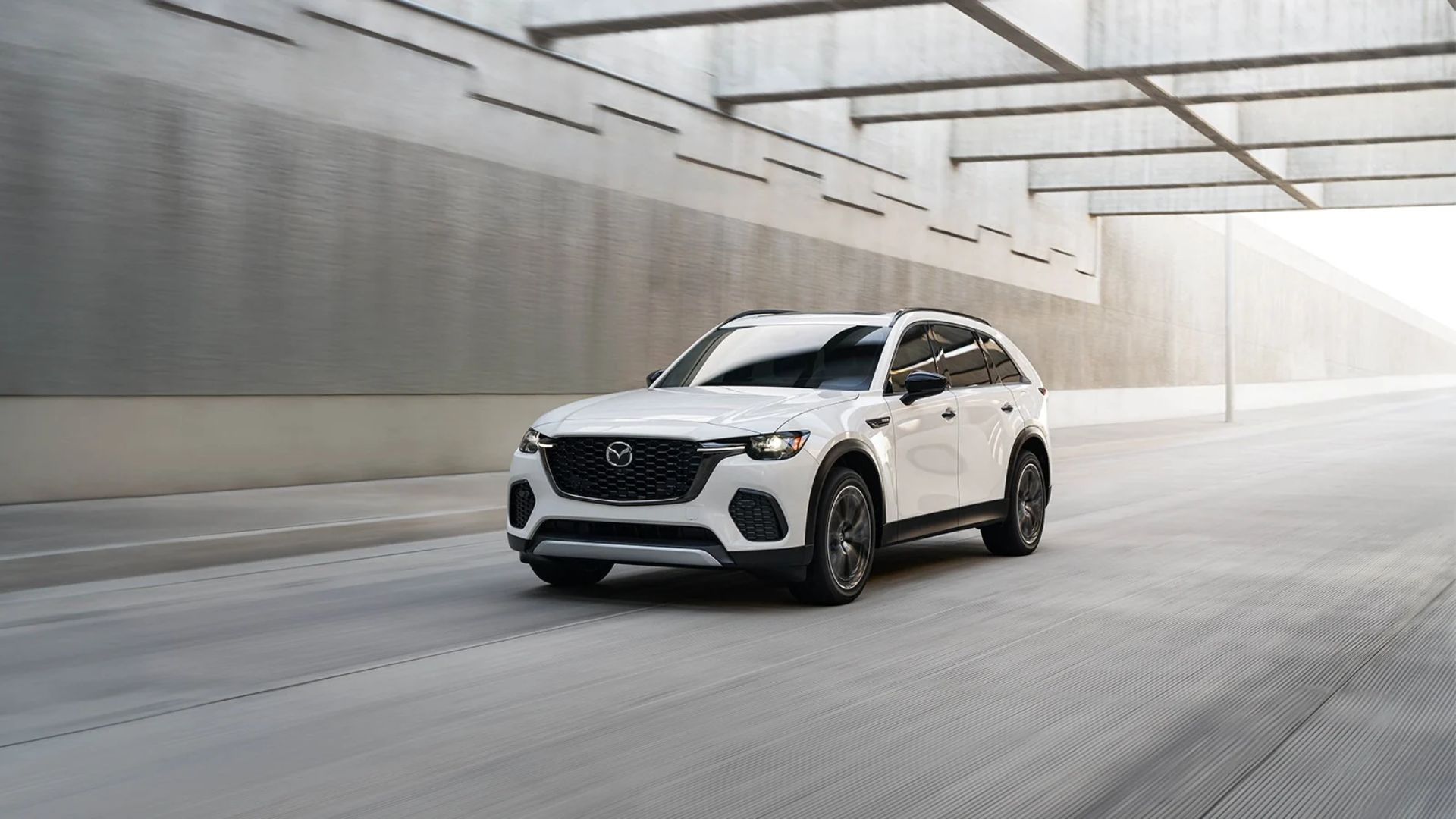
Getting your Mazda ready for the mountains starts with the tires, brakes, and weight you plan to carry. North Shore Mazda in Danvers, part of parent dealer group Shaker Auto Group, can help you work through those details before heading toward New Hampshire’s White Mountains or western Maine. Whether you drive a CX-30 or are shopping for a larger SUV, preparation should match your vehicle, your route, and the conditions expected at your destination.
Key Takeaways
- Winter tires belong on all four wheels when you choose them for snowy mountain travel.
- Brake problems, damaged tires, and unresolved pressure loss need attention before departure.
- Passengers, luggage, and roof-mounted equipment all count toward vehicle load limits.
- Downhill driving instructions depend on your Mazda’s transmission and powertrain.
- Seasonal road access needs a separate check from highway traffic conditions.
When Should You Consider Winter Tires for Mountain Travel?
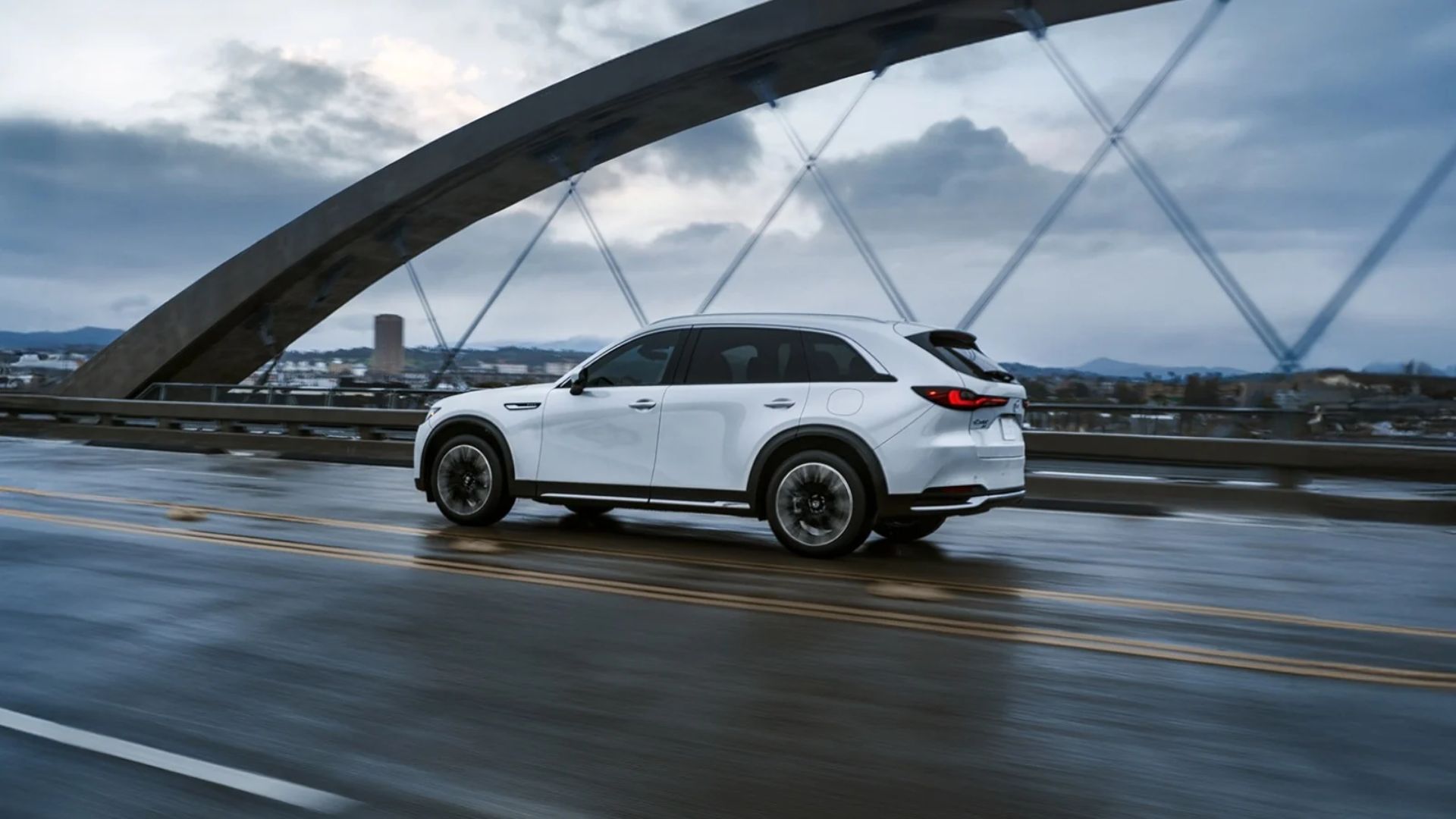
Consider winter tires before a trip that is likely to include snow-covered or icy roads, especially when those conditions will continue throughout your stay. Make that decision around the mountain forecast and planned roads, not just the weather outside your home in Danvers.
For a CX-30 or CX-5, check the approved tire size and ask about an appropriate winter tire setup before departure. Mazda directs owners using winter tires to install them on all four wheels and follow the specified inflation requirements. Mixing seasonal tire types can compromise handling.
Have tread depth measured across each tire, including the inside shoulders where wear can be harder to see. Check cold tire pressure against the driver’s door-jamb label rather than the maximum pressure molded into the tire’s sidewall. Ask whether the remaining tread suits the expected conditions, not simply whether the tires can remain in service.
Check Tires and All-Wheel Drive Together
Good tires provide the road contact your Mazda needs, while i-ACTIV AWD, Mazda’s all-wheel-drive system, manages power delivery to help maintain traction. On an equipped CX-50, that combination deserves attention before the trip, particularly if a tire was recently replaced or the vehicle has uneven wear.
Check the owner’s manual for tire-matching requirements, and have differences in size, type, wear, or pressure evaluated. Do not assume that replacing one damaged tire with any tire carrying the same nominal size is the right solution for your vehicle. Mazda specifies matching tire characteristics and warns against significantly different wear patterns or pressures.
If you are comparing SUVs for mountain weekends, browse our current selection at North Shore Mazda to compare CX-30 and CX-50 models. We can help you identify the equipment on a specific vehicle without treating a drive mode as permission to enter a closed or unsuitable road.
Brake and Maintenance Findings That Should Delay Your Trip
Grinding brakes, a soft or sinking brake pedal, visible tire damage, or recurring pressure loss should delay departure until the cause has been diagnosed and corrected. A mountain trip adds sustained demands that make unresolved problems especially unwelcome.
Ask for brake pad measurements and an inspection of rotors, hoses, and fluid condition. Pulling during braking or vibration through the pedal also warrants diagnosis before a long descent. Tires with bulges, exposed cords, deep cuts, or tread at the wear indicators need replacement rather than another highway drive.
For a CX-90 carrying passengers and luggage north from Beverly, a pre-trip service visit should also cover scheduled maintenance, coolant protection, battery condition, lights, wipers, and cold-weather washer fluid. Mazda’s winter-driving guidance specifically calls for checking coolant, the battery and cables, and appropriate washer fluid.
Schedule the visit early enough to leave time for repairs. Ask the service advisor to separate items requiring immediate attention from maintenance coming due later.
How Do You Check Passenger, Cargo, and Roof Limits?
Start with the Tire and Loading Information label on your Mazda’s driver’s door frame or pillar. The listed combined occupant-and-cargo limit gives you the weight allowance for people and everything added for the trip.
Subtract the driver’s and passengers’ combined weight, then account for luggage, other cargo, and added accessories. Mazda’s loading instructions use this calculation to determine the remaining cargo allowance. A CX-70 with open cargo room can still reach its weight limit before the space is full.
Roof-mounted equipment requires another check. The crossbars, carrier, and gear count toward the vehicle’s load, and the roof system has its own limits. Follow the lowest applicable vehicle, rack, or carrier rating, including its instructions for use while driving. Secure heavy items low inside the vehicle, and include the carrier when checking clearance for garages or covered entrances.
Prepare for Long Mountain Descents
Read your Mazda’s downhill-driving instructions before reaching the grade, including how to select an appropriate lower gear. Engine braking, the slowing effect produced when the drivetrain resists the vehicle’s movement, can help reduce reliance on the brake pedal.
In a CX-5, check the instructions for your transmission’s selector and manual-shift operation. Mazda warns that holding the brake pedal down too long or too frequently can overheat the brakes and reduce braking performance. Slow before the descent and follow the vehicle’s guidance rather than riding the brakes continuously.
For a CX-70 Plug-in Hybrid or CX-90 Plug-in Hybrid, review the instructions for that exact powertrain rather than transferring advice from another Mazda. Confirm how its controls work before departure, and never coast downhill in Neutral. If braking performance changes, stop somewhere safe and arrange assistance as needed.
Use Highway Features Where Conditions Allow
Mazda Radar Cruise Control, a driver-assistance system that manages a set speed and following distance, can help on suitable highway portions of the trip. If you are exploring adaptive cruise control for highway travel, confirm which version your vehicle has and read its operating restrictions before using it. The driver remains responsible for braking and steering.
When comparing Mazda features for longer regional trips, look at the actual CX-50 or CX-90 trim you would drive, including its seating, controls, and available equipment. Leave cruise control off when conditions or the owner’s manual call for direct speed control.
If safety awards are part of your shopping process, understanding Mazda safety recognition means checking the exact model, model year, and award criteria. Keep that shopping research separate from the condition of the tires and brakes on the vehicle taking this trip.
Confirm Seasonal Road Access Before Leaving Danvers
Check New England 511 for highway incidents, restrictions, and driving conditions before departure and again before the mountain portion of your route. The service includes official information from transportation agencies in New Hampshire and Maine. newengland511
For forest roads, park entrances, and privately operated mountain roads, confirm access directly with the responsible land manager or operator. Ask whether the road is open to passenger vehicles and whether seasonal gates or weather restrictions affect your destination. A route appearing in navigation does not confirm that its final miles are open.
Find Your Next Mazda in Danvers
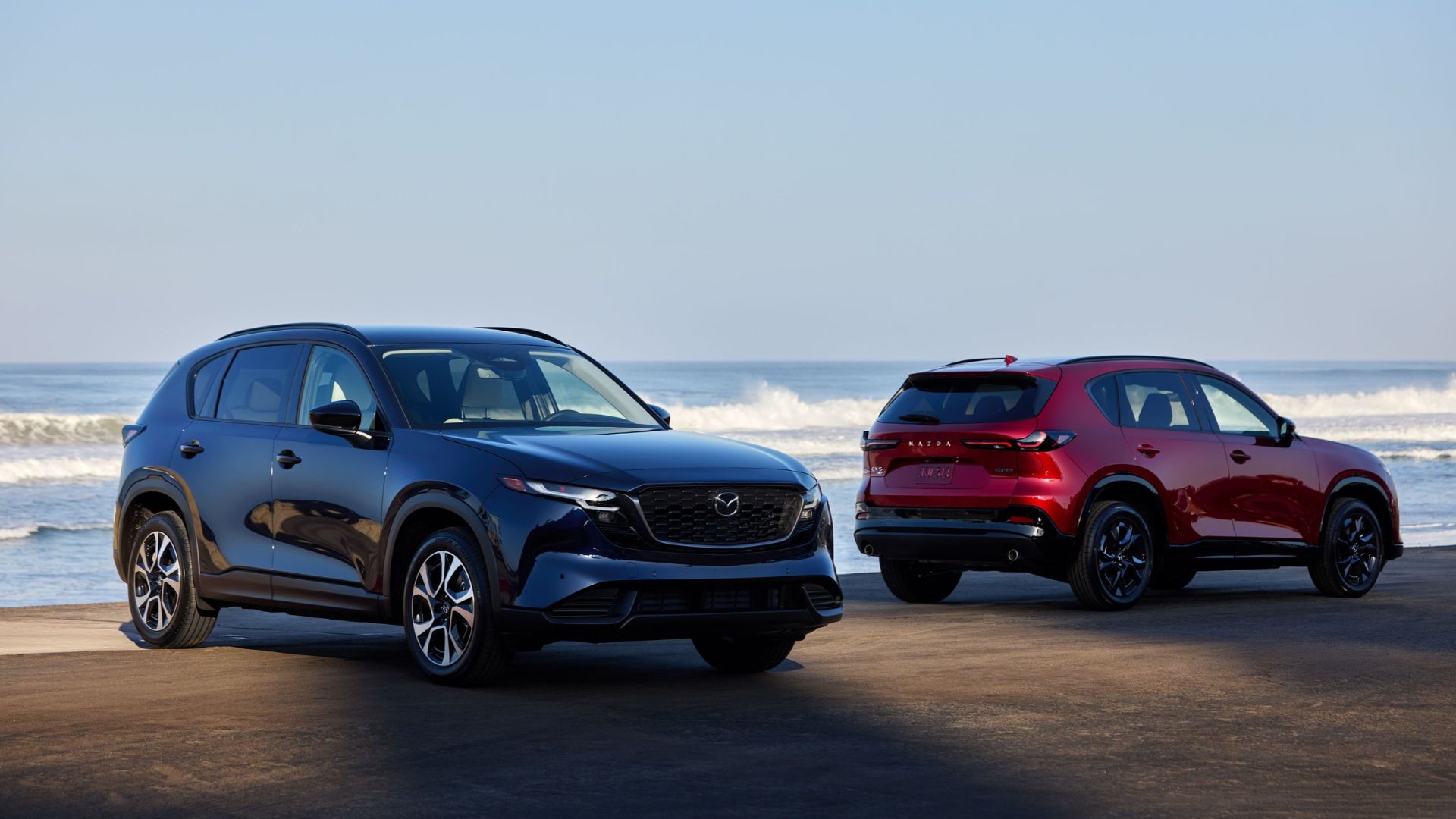
Visit North Shore Mazda in Danvers, part of the Shaker Auto Group, to compare available Mazda SUVs in our current selection. Schedule a test drive to find the model and trim that fit your everyday driving and your next trip north.
*Penned by AI, polished by humans
